


The Complete Guide to Dog Dental Health
Why Dogs Get Bad Breath

Bad breath in dogs is often the first sign that something is happening in the mouth. While many people assume it’s normal, it usually points to a buildup of bacteria.
These bacteria form a soft layer called plaque on the teeth. If it isn’t removed regularly, plaque begins to harden into tartar, which is much more difficult to manage at home.
As this buildup increases, it creates an environment where bacteria continue to grow. This can irritate the gums, leading to inflammation and discomfort, even if it isn’t immediately obvious.
In more advanced cases, bad breath can be a sign of developing dental disease. Dogs may start to chew differently, avoid certain foods, or become sensitive around the mouth.
Addressing bad breath early is one of the simplest ways to support long-term dental health and prevent more serious issues over time.
If your dog already has bad breath, you can learn what causes it and how to fix it naturally in this guide.
What Causes Plaque and Tartar in Dogs
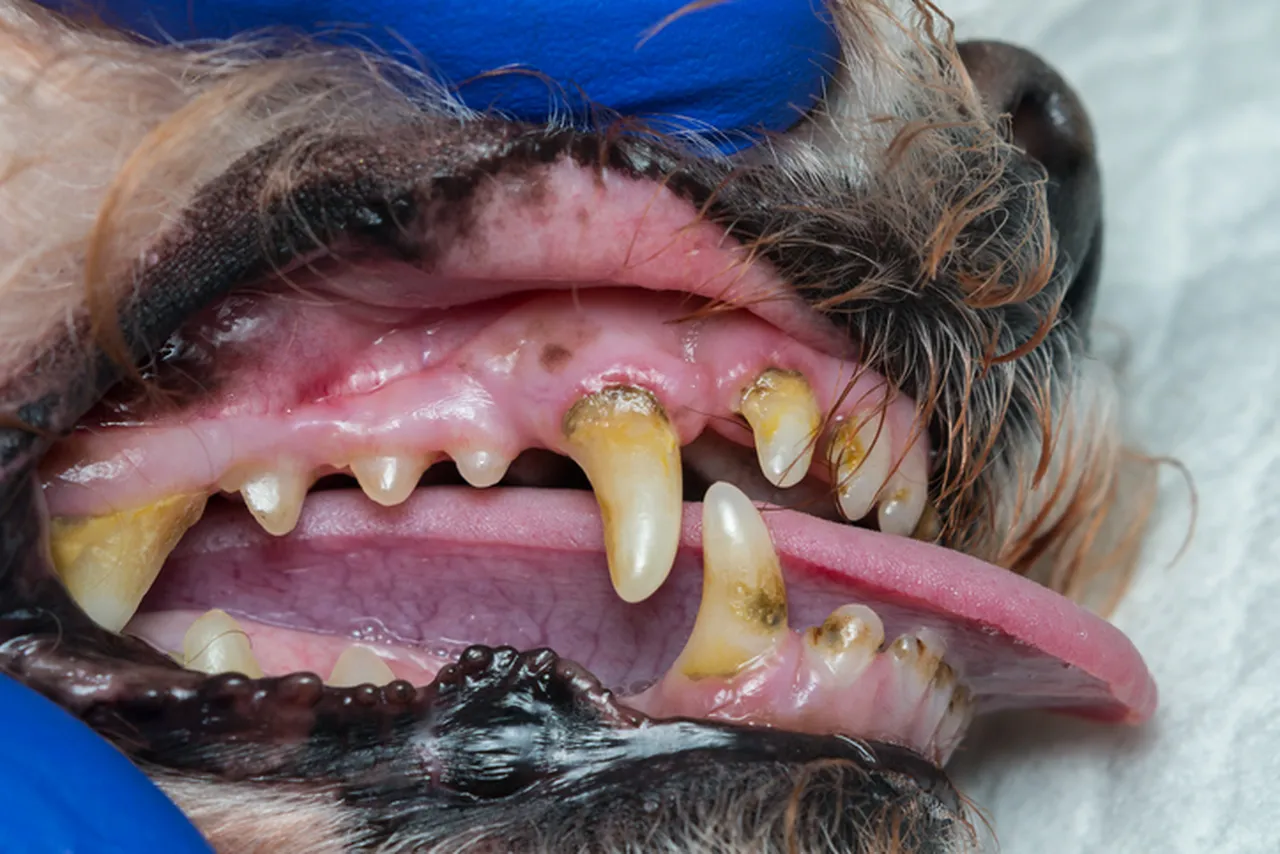
Plaque is a soft, sticky layer made up of bacteria, food particles, and saliva that constantly forms on a dog’s teeth. It begins developing shortly after eating and can build up quickly if not addressed regularly.
If plaque isn’t removed, it starts to harden into tartar. Unlike plaque, tartar is much more difficult to remove at home and tends to accumulate along the gum line, where it can cause irritation.
As tartar builds up, it creates an environment where bacteria thrive. This can lead to inflammation of the gums and, over time, more serious dental issues if left unmanaged.
Because of this, prevention plays a much bigger role than treatment. Keeping plaque under control before it turns into tartar is one of the most effective ways to support long-term dental health in dogs.
How to Clean a Dog’s Teeth at Home
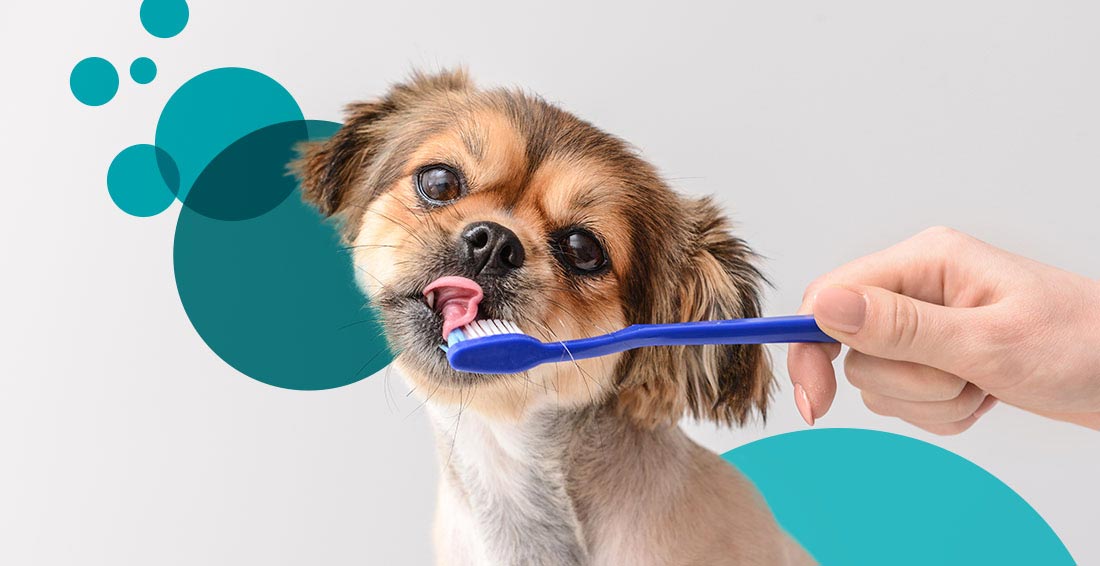
There are several ways to support your dog’s dental health at home, and the best approach is usually a combination of simple, consistent habits rather than relying on just one method.

Brushing
Brushing your dog’s teeth is one of the most direct ways to remove plaque before it hardens into tartar. Even a few times per week can make a noticeable difference over time.
Dental chews
Dental chews can help reduce buildup by increasing contact with the teeth and supporting cleaner breath. They are often one of the easiest options to include in a daily routine.
Water additives and oral sprays
These products can help manage bacteria in the mouth and support fresher breath, especially for dogs that don’t tolerate brushing well.
Diet and texture
What your dog eats can also play a role. Certain textures may help reduce buildup, while softer diets may contribute to faster accumulation.
Consistency matters most
No single method works on its own. A consistent routine, even if simple, is what makes the biggest difference in maintaining your dog’s dental health over time.
We’ll cover natural ways to clean your dog’s teeth in more detail in a separate guide.
Are Dental Chews Good for Dogs?
Dental chews can be a helpful part of a dog’s oral care routine, especially when used consistently. They are designed to support cleaner teeth and fresher breath by increasing contact with the surface of the teeth.
However, not all dental chews work the same way. Some rely mainly on hard texture to scrape the teeth, while others focus on ingredients that help reduce bacteria and support oral health.
For many dogs, especially those that don’t tolerate brushing well, dental chews can be one of the easiest ways to maintain a daily routine. The key is choosing a chew that is both effective and easy to digest.
When used alongside other simple habits, dental chews can play a meaningful role in supporting long-term dental health.
What to Look for in the Best Dental Chews for Dogs
Choosing the right dental chew can make a significant difference in how effective it is. Not all products are created with the same purpose or quality in mind.
Ingredient quality
Look for clean, functional ingredients that support oral health rather than just focusing on texture alone.
Digestibility
A good dental chew should be easy on the stomach and suitable for daily use, especially for dogs with sensitive digestion.
Contact time
Chews that stay in the mouth longer can provide more consistent coverage across the teeth and gums.
Support for bacteria control
Some formulations include ingredients that help reduce bacteria in the mouth, which plays a key role in breath and plaque buildup.
Suitability for your dog
Size, age, and chewing habits all matter. What works for a large dog may not be appropriate for a small or senior dog.
The most effective dental chews are those that can be used consistently and fit easily into your dog’s daily routine.
How to Help Dog Tartar Naturally
Managing tartar naturally starts with preventing plaque from hardening in the first place. Once tartar has formed, it becomes much more difficult to remove without professional cleaning.
Consistent daily habits, such as brushing and using dental chews, can help reduce the buildup over time and support cleaner teeth.
Some products also focus on supporting the natural balance of bacteria in the mouth, which plays a role in plaque formation and breath.
While natural methods can be effective for maintenance, more advanced tartar buildup may still require a professional dental cleaning. Combining both approaches is often the most effective way to support long-term dental health.
When to See a Veterinarian
While many aspects of dental care can be managed at home, there are times when professional care is necessary.
If your dog shows signs such as persistent bad breath, bleeding gums, difficulty eating, or visible discomfort, it may indicate a more advanced issue.
In these cases, a veterinarian can assess the condition of the teeth and gums and recommend appropriate treatment.
Regular dental checkups can also help identify problems early and prevent more serious complications from developing.
A Simple Dog Dental Routine
A consistent routine is one of the most effective ways to maintain your dog’s dental health.
This can be as simple as incorporating a combination of brushing, daily dental chews, and occasional additional support such as sprays or additives.
The goal is not perfection, but consistency. Small daily habits are far more effective than occasional intensive care.
By building a routine that fits easily into your dog’s day, you can support cleaner teeth, fresher breath, and overall comfort over time.
For an easy daily option, you can explore dental chews designed to support oral health as part of a consistent routine.
FAQ
Why do dogs have bad breath?
Bad breath is usually caused by bacteria buildup in the mouth, often linked to plaque and tartar.
What is the best way to clean a dog’s teeth?
A combination of brushing, dental chews, and consistent care tends to be the most effective approach.
Are dental chews enough for dogs?
Dental chews can be helpful, but they work best as part of a broader routine that may include brushing and regular checks.
How can I help my dog’s tartar naturally?
Preventing plaque buildup through daily habits is key. Once tartar forms, professional cleaning may be needed.
Can puppies use dental chews?
Some dental chews are suitable for puppies, but it’s important to choose products designed for their size and age.
Final Thoughts
Taking care of your dog’s dental health doesn’t need to be complicated. With a simple, consistent routine, you can help prevent common issues like bad breath and plaque buildup before they become more serious.
Many dog owners find that combining a few easy habits into their daily routine makes the biggest difference over time.
If you’re looking for a convenient way to support your dog’s oral health as part of that routine, dental chews can be one of the easiest places to start.